



 CUSTOMER PORTAL


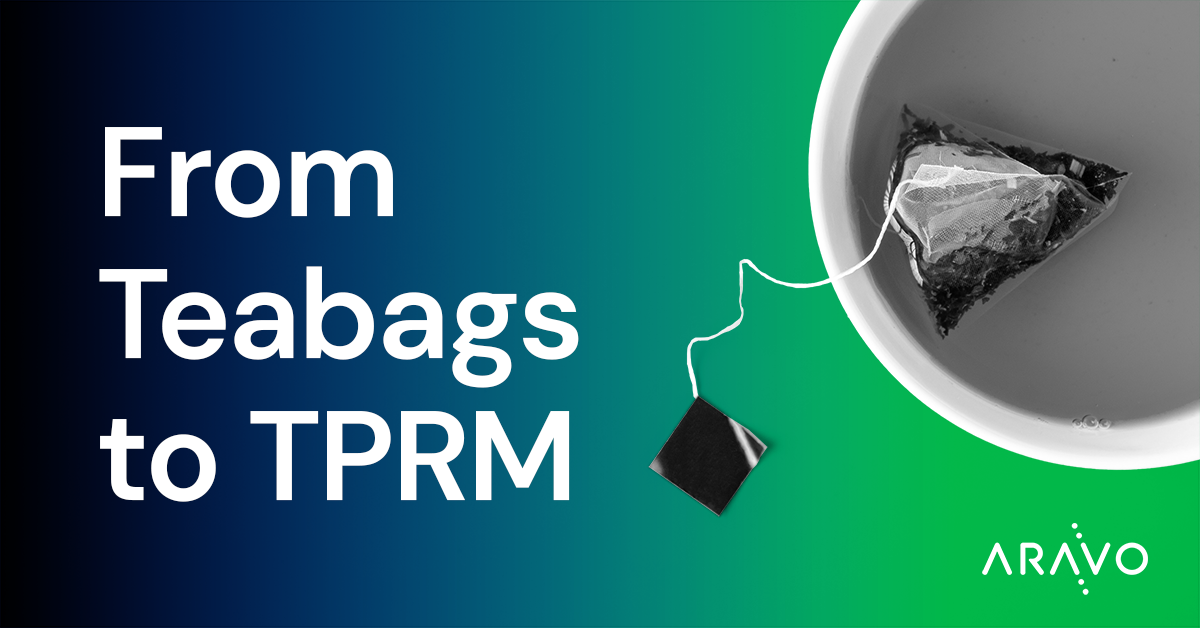
Controversial opinion: I skip the morning coffee and opt for a fresh cup of hot tea. Specifically, a loose-leaf, tropical blend black tea from Elmwood Inn Fine Teas (small, gourmet tea company based in the little town of Danville, Kentucky, USA) typically hits the spot. It’s fruity, refreshing, and most importantly, free of microplastics.
You read that right.
It’s unsettling to think that your teabag might be releasing microplastics into your drink. Unless you’re using stainless steel or ceramic infusers, or plastic-free, plant-based teabags (like Elmwood’s), you could be steeping billions of microplastic particles into your cup.
And tea isn’t the only culprit. Sugar-free gum can contain synthetic polymers similar to those used in tires. Single-use water bottles and synthetic clothing can also contribute to microplastic exposure through ingestion, skin contact, or even the air we breathe.
These everyday examples highlight a bitter truth: microplastics have seeped into every corner of modern life. With rising awareness and regulations like the U.S. Microbead-Free Waters Act and the EU’s REACH directive, industries from cosmetics and agriculture to food and pharmaceuticals must now consider microplastics into their risk strategies.
Fortunately, Aravo’s extensible data model enables organizations to rapidly adapt to emerging risks like microplastics without boiling over with costly or disruptive system overhauls. Below are three ways in which Aravo delivers the agility and intelligence businesses need to respond to the microplastics risk:
Microplastics may still be an emerging domain, but regulations are already setting the tone for accountability. The U.S. Microbead-Free Waters Act of 2015 was the first step, banning plastic microbeads in rinse-off cosmetics. In the EU, REACH (Registration, Evaluation, Authorization and Restriction of Chemicals) now includes proposals targeting microplastic pollution across industries from textiles to agriculture. For global organizations, this means an urgent need to identify which third parties may be exposed to these evolving standards.
Aravo’s extensible data model allows businesses to rapidly configure new microplastics-focused risk domains without starting from scratch. Whether adding new fields for material sourcing, custom workflows for regulatory tracking, or unique risk scoring tied to polymer use, customers can independently configure and adapt their TPRM programs in days, not months. This speed matters when the regulatory and reputational cost of inaction is rising.
Microplastics isn’t just a consumer goods issue. They affect the food and beverage industry, pharmaceuticals, packaging, manufacturing, apparel, and more. A textile vendor sourcing synthetic fibers, a contract manufacturer using microbead adhesives, or even a logistics partner relying on plastic-heavy containers, may pose hidden risks.
With Aravo’s single, centralized platform, organizations can manage supplier data, risk assessments, and performance metrics across all categories while customizing microplastics-related requirements by industry or geography. The ability to dynamically adjust questionnaires, scoring models, and approval workflows ensures businesses maintain visibility and control, even as regulations like REACH evolve or new country-specific mandates emerge.
Auditors, investors, and regulators increasingly expect proof of microplastic risk consideration as part of ESG and compliance reporting. With Aravo, organizations can create a fully auditable trail tied to their microplastics-specific risk domain that can include the capture of third-party attestations, documented remediation steps, and scoring justifications.
Additionally, Aravo’s support for automation, risk tiering, and API integrations means microplastics risk data can blend seamlessly into broader ESG frameworks or compliance systems, helping businesses future-proof their operations against regulatory scrutiny and stakeholder demands.
The rise of microplastics as a regulatory and reputational concern is no longer theoretical. From teabags to chewing gum, and from cosmetics to industrial coatings, the challenge is everywhere. Aravo’s extensible data model ensures that organizations don’t need to reinvent their TPRM framework each time a new risk emerges. Instead, they can simply evolve into it quickly and intelligently, all within their current environment.
Emerging risks demand adaptable solutions. Aravo delivers the clarity and control TPRM programs require regardless of how hot the water gets.
Steeped in emerging risks? Contact Aravo today!

Share with Your Friends: